Why AI Needs a New Network Architecture
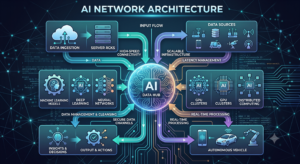
Artificial Intelligence is changing more than applications, workflows, and user experiences. It is changing the underlying network traffic patterns that enterprises were built to support.
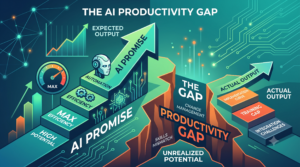
Artificial Intelligence promises dramatic productivity gains. Employees can write reports faster, developers can generate code more quickly, and business users can automate tasks that once
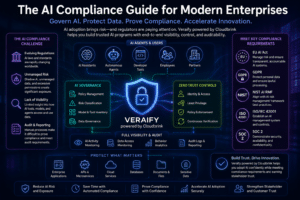
AI is transforming how organizations operate, but it is also creating new compliance challenges. Employees are using AI assistants, developers are building AI agents, and
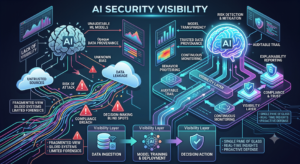
For years, cybersecurity teams have operated on a simple principle: You cannot protect what you cannot see. That principle has become even more important in
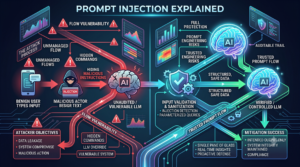
As enterprises race to deploy AI copilots, AI agents, and autonomous workflows, a new class of cyberattack has emerged: prompt injection. Unlike traditional attacks that
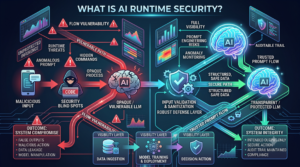
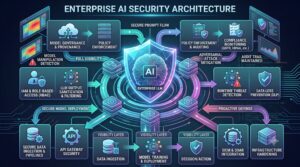
AI Runtime Security is the practice of protecting AI systems while they are actively running, rather than only securing them during development or deployment. Think
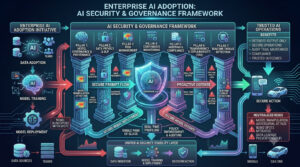
By 2027, enterprise AI security will look very different from traditional cybersecurity. The enterprise will no longer be protecting only users, endpoints, and applications —
These three terms describe overlapping but different parts of the emerging AI security market. The simplest distinction: AI-SPM = Where is my AI? Is it
Autonomous AI agents represent a major shift in enterprise computing. The next phase of AI is moving beyond chat interfaces that answer questions toward agents
Multi-agent systems introduce a new security challenge: instead of protecting communication between humans and applications, enterprises must protect interactions between multiple autonomous AI agents that